Nobody Clapped for the Metamorphosis: When Your Biggest Creative Leap Lands in Silence
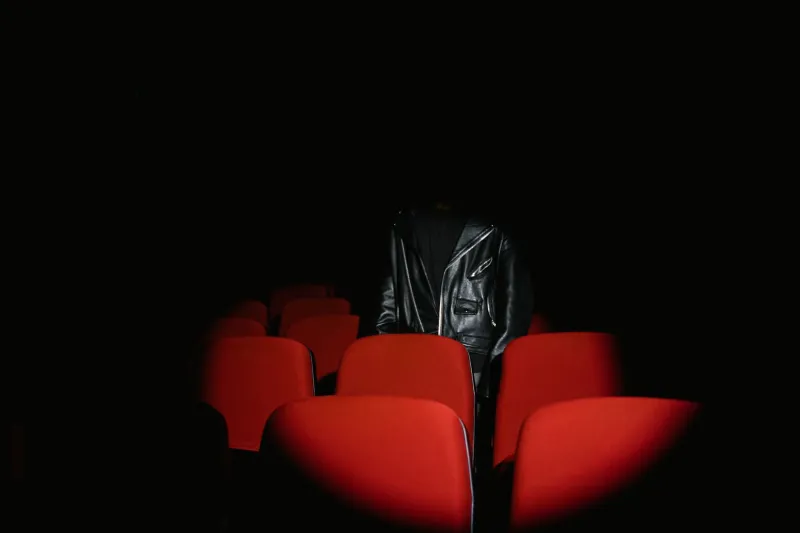
There's a particular kind of quiet that follows a bold creative move. Not the peaceful kind. The kind where you've just done the hardest thing — dismantled something that worked, rebuilt yourself from different materials, shown up as someone genuinely new — and the room just... keeps going. Nobody flinches. Nobody notices. The audience nods along like you played the same set you always play.
That silence? It might be the most disorienting experience in a creative life.
The Lens Problem
Here's the core issue: audiences don't experience artists in real time. They experience them through accumulated expectation. Every song you've released, every role you've played, every canvas you've sold — those things form a filter, and your audience watches every new move through it. They're not being lazy or dismissive. They're doing exactly what human brains do — pattern-matching, filling in gaps, making the new thing fit the story they already know.
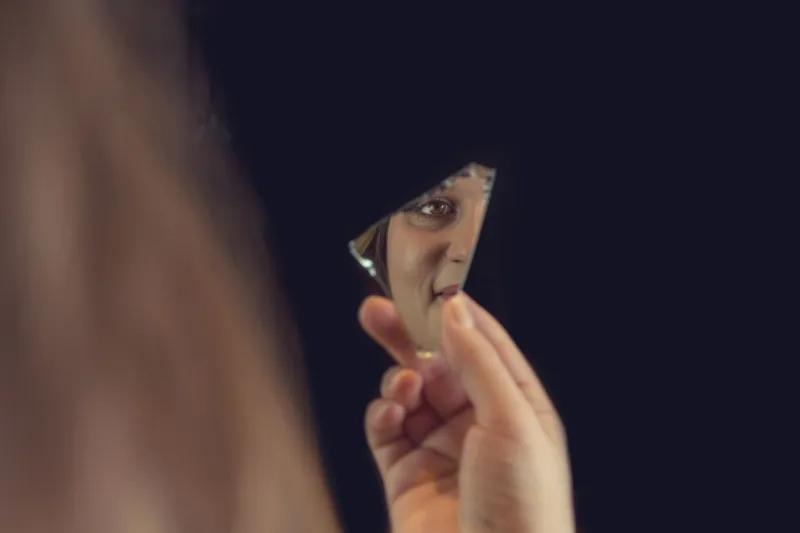
So when you show up completely transformed, they often just... reframe it. They call it a "mature sound" instead of a break from everything you were. They call it "a new direction" while still mentally filing you under the old category. The reinvention lands, but it lands as the old version of you, translated.
Think about how long it took for certain artists to get credit for changes they made years before the culture caught up. Bob Dylan went electric in 1965 and got booed at Newport. The audience didn't hear evolution — they heard betrayal. It took years, sometimes decades, for the reframe to happen. By the time critics called it genius, Dylan had already moved three more times.
The gap between making the change and being seen as changed is real, and it's often enormous.
The Loneliness Nobody Talks About
Creative reinvention gets romanticized constantly. We love the comeback story, the pivot, the phoenix narrative. But what doesn't get talked about enough is the stretch of time between the leap and the recognition — that weird liminal space where you know you've become something new and nobody around you has updated their read.
It's a specific kind of loneliness. You're not invisible in the traditional sense — people are still watching, still listening, still buying tickets. But the version of you they're showing up for? That's not who's standing on the stage anymore. You've shed the skin, but they brought flowers for the old snake.
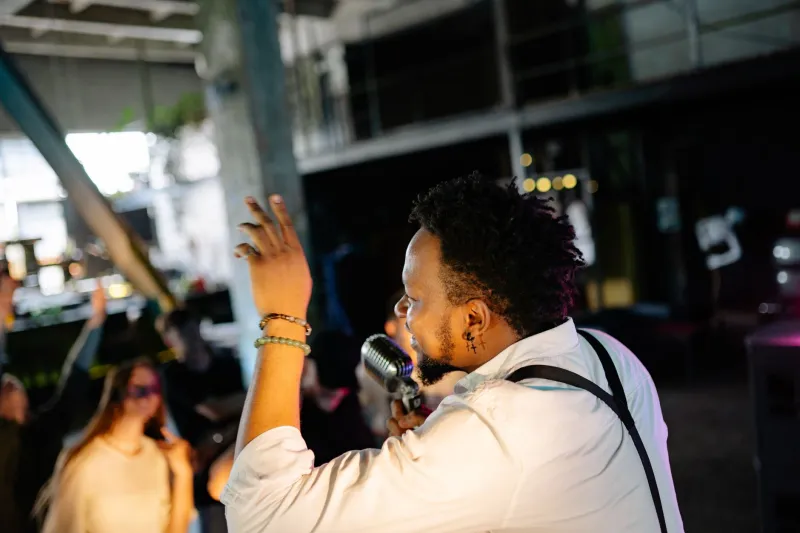
Musicians who've made radical genre shifts describe it in almost identical terms: the feeling of performing new work and watching an audience wait for the familiar hook. Painters who've abandoned a signature style talk about collectors who ask when they're going back to "the real stuff." Filmmakers who experiment get notes asking them to return to whatever made their debut pop.
The work changed. The perception didn't. And that gap — living inside it — is exhausting in a way that's hard to explain to people who haven't felt it.
Why Visibility and Impact Aren't the Same Thing
Here's the part that reframes everything though: invisible doesn't mean ineffective.
Some of the most important shifts in an artist's trajectory go completely unnoticed by the public and still fundamentally alter the work that follows. The reinvention the audience missed in year four shows up fully expressed in year seven, and that's when the recognition arrives — but the seed was planted in the silence.
This is actually how creative evolution tends to work under the surface. The big, dramatic pivots that get press? Those are usually the visible layer of changes that happened quietly, incrementally, without fanfare. The artist already knows. The audience is just catching up.
There's something worth sitting with in that. The pressure to have your transformation witnessed, validated, acknowledged — that pressure can actually distort the transformation itself. When you need the audience to see you change, you start performing the change instead of living it. You make the pivot legible at the cost of making it real.
When It Actually Matters That No One Noticed
None of this means visibility is irrelevant. It obviously matters — practically, financially, emotionally. If you've rebuilt your entire creative identity and your audience is still buying tickets to the old show, there are real consequences. Expectations misaligned with output create friction. Fans who feel misled disengage. The economic reality of creative work doesn't pause for internal metamorphosis.
So when does the gap between private evolution and public recognition become a problem worth solving?
When it's creating a cage. If you're quietly evolving but publicly expected to deliver the old thing, and that expectation is shaping what you actually make — not just how it's received, but what you allow yourself to create — then the invisibility has become a constraint. You're not living in the gap anymore; the gap is running you.
That's the moment where the work of making the change legible becomes as important as the change itself. Not for validation, but for freedom. Telling the story of who you've become — through interviews, through the work itself, through the way you talk about your influences — isn't vanity. It's maintenance. It's updating the map so you can keep moving.
The Chameleon's Dilemma
Adaptability is a gift until it becomes camouflage. The artist who shifts fluidly, who can move between registers and reinvent without losing the thread — that's a rare and beautiful thing. But the flip side is that fluid movement can be hard to track. You blend so well into each new phase that people don't clock the distance you've traveled.
The chameleon that changes colors in plain sight still gets called the same chameleon. The transformation is visible in retrospect, obvious once you know to look, but in the moment? It reads as continuity.
Maybe that's okay. Maybe the goal was never to be seen changing — maybe the goal was just to change. To keep the work alive, to stay honest with yourself, to refuse the comfort of repeating what already worked. Whether or not anyone claps for the metamorphosis, the metamorphosis happened. You're different now. The work reflects that, even if the audience hasn't updated their file on you yet.
They'll catch up. They usually do.
And if they don't — if they never quite see the version of you that exists right now — that's not necessarily failure. Sometimes the most radical growth is the kind that happens entirely on your own terms, witnessed only by the work itself.
That's not nothing. Honestly, sometimes that's everything.