The Myth of the Fixed Self: Why Staying 'Authentic' Might Be the Least Honest Thing You Do
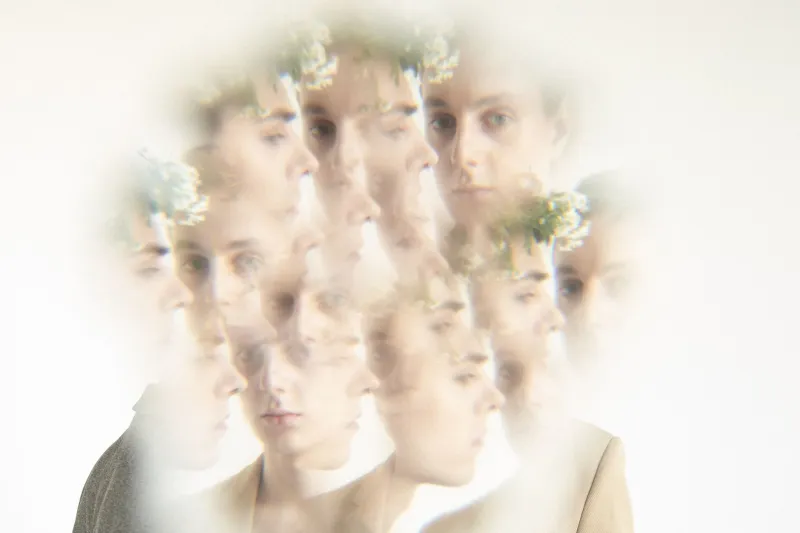
Somewhere along the way, "be yourself" went from a casual piece of encouragement to a full-blown ideology. It's on motivational posters, in graduation speeches, threaded through every other think piece about creative burnout. The message has become almost sacred: find your authentic self, protect it, broadcast it, and never, ever betray it.
But here's the thing nobody says out loud — that version of authenticity might be one of the most limiting ideas in modern creative culture.
The Authenticity Industrial Complex
Spend any time on social media and you'll notice a peculiar paradox. The loudest voices demanding authenticity are also the ones most rigidly committed to a fixed personal brand. The artist who built a following on raw vulnerability now feels trapped performing vulnerability on cue. The musician who broke through with one emotional register gets booed the moment they try something different. The writer who found their "voice" gets dragged the second that voice tries to say something new.
What we've actually created isn't a culture of authenticity. We've created a culture of consistent performance. And those two things are not remotely the same.
Real authenticity — the messy, uncomfortable, actual kind — involves contradiction. It involves changing your mind. It involves waking up one day and genuinely not recognizing the person you were three years ago. That's not a failure of character. That's called being alive.
The Science of the Shifting Self
Psychology has been quietly undermining the fixed-self myth for decades. Research consistently shows that personality traits shift across a lifetime, sometimes dramatically. Values evolve. Beliefs update. The neural pathways that shape how you see the world are literally rewiring themselves based on experience. The "you" of today is a different configuration than the "you" of ten years ago, and that's not a malfunction — it's the whole point of having a brain.
William James, one of the founding figures of American psychology, argued over a century ago that the self isn't a noun. It's a verb. It's a process, not a product. And yet here we are, treating it like a vintage piece of furniture — something to be carefully preserved and shown off, never scratched or repainted.
Artists, of all people, should know better. The entire history of music, visual art, and storytelling is a history of reinvention, contradiction, and creative restlessness. Bob Dylan went electric and got booed off a stage. He kept going. David Bowie didn't have one authentic self — he had about eleven, and every single one of them was real in the moment he inhabited it. Beyoncé has moved through so many artistic identities that trying to pin down a single "true" version of her feels almost absurd.
When Consistency Becomes a Cage
Here's where it gets personal. Think about the creative decisions you've talked yourself out of because they didn't feel "like you." The musical direction you abandoned because it didn't match your established sound. The essay you scrapped because the opinion in it contradicted something you'd said publicly before. The visual style you quietly shelved because your audience expected something else.
That internal negotiation — the one where you measure every new impulse against some archived version of yourself — is where creative energy goes to die. And the cruel irony is that it often gets dressed up as integrity. I'm staying true to my vision. I'm not selling out. I know who I am.
But what if you don't? What if not knowing, fully and completely, is actually the more accurate and more honest position?
Contradiction as Creative Fuel
Some of the most electric art ever made lives inside contradiction. It holds two opposing things at once without resolving them. Think of Kendrick Lamar's catalog, which simultaneously celebrates Black excellence and interrogates Black pain without offering a tidy conclusion. Think of Phoebe Bridgers writing songs that are devastatingly sad and quietly funny in the same breath. Think of the way great filmmakers let their protagonists be both sympathetic and genuinely wrong.
These artists aren't confused about who they are. They're honest about the fact that who they are is complicated. That's a totally different thing.
Embracing your own contradictions doesn't mean abandoning values or chasing trends for the sake of relevance. It means giving yourself permission to be a full human being rather than a carefully managed identity. It means letting curiosity lead even when it takes you somewhere unexpected. It means trusting that the version of you who shows up in two years might have something genuinely interesting to say — even if that version looks nothing like the one you've been protecting.
Letting Go Without Losing the Thread
None of this means consistency is worthless. There's a difference between a coherent artistic sensibility and a rigid personal brand. The former is something that runs underneath everything you make, even when the surface changes dramatically. It's the specific way you see the world, the particular questions you keep returning to, the emotional frequencies you're drawn to. That thread doesn't disappear when you evolve. It just expresses itself differently.
The chameleon doesn't lose its identity when it changes color. It's using its identity — its biology, its instincts, its specific way of surviving — to adapt to a new environment. The change is the expression, not the erasure.
So maybe the real creative work isn't finding your authentic self and guarding it. Maybe it's staying curious enough to keep discovering what you actually think, feel, and want to make — even when the answer surprises you. Especially then.
Being genuinely honest about who you are means being honest about the fact that who you are keeps moving. That's not a betrayal of authenticity. That might just be the realest version of it.